2 min read
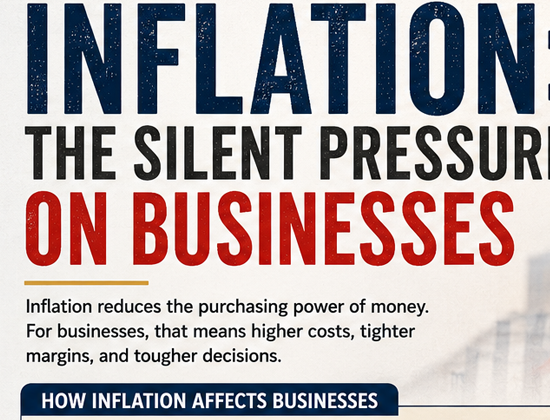
If you run a business in Nigeria, chances are you've felt the impact of inflation. The same carton of goods you bought for ₦50,000 a few months ago may now cost ₦65,000 or even more. Transportation costs keep increasing, rent is rising, electricity bills are higher. Even the cost of packaging materials has gone up.
Meanwhile, customers are spending more carefully because things are also expensive for them. This leaves many business owners stuck in the middle. Costs are going up, but increasing prices too much may drive customers away. So how exactly is inflation affecting small businesses, and what can you do about it?
Let's talk about it.
Your Profit Is Shrinking
One of the biggest effects of inflation is that your profit margin becomes smaller. Many business owners are still selling products at old prices while the cost of replacing those products has increased. For example, if you bought a product for ₦8,000 and sold it for ₦10,000, you may think you made ₦2,000 profit. But if replacing that same product now costs ₦9,500, your actual profit is much less than you think.
What To Do
Review your prices regularly. Don't wait six months before checking if your prices still make sense. Keep track of your costs and adjust prices when necessary. Customers may not like price increase, but they understand that the economy is affecting everyone.
Customers Are Buying Less
Many Nigerians are focusing on essential expenses such as food, transportation, school fees and rent. This means customers may delay purchases, buy smaller quantities or spend less than they used to. You may notice that people ask for prices but don't buy immediately.
Sometimes it's not because your product is bad, they simply don't have as much disposable income as before.
What To Do
Focus on value. Show customers why your product is worth the money. You can also create smaller packages, flexible payment options or affordable bundles to make it easier for customers to buy.
Restocking Has Become More Difficult
Many business owners now face a painful problem. You sell products quickly, but by the time you want to restock, prices have increased again. The money you made from sales is no longer enough to replace the same quantity of goods.
What To Do
Cash Flow Problems Are Becoming More Common
Inflation can create serious cash flow issues. You may be making sales but still struggle to have enough cash available for rent, salaries, stock and daily operations. Many businesses look profitable on paper but are constantly short on cash.
What To Do
Business Planning Becomes Harder
In a stable economy, business owners can plan months ahead. But with inflation, costs can change unexpectedly. A budget you created last month may already be outdated. This uncertainty makes decision-making stressful.
What To Do
Why Tracking Your Numbers Matters More Than Ever
During inflation, running your business based on assumptions can be dangerous. You need to know:
The business owners who survive difficult economic periods are usually the ones who understand their numbers.
How COD POS Can Help
When prices are changing and business conditions are unpredictable, keeping accurate records becomes very important.
COD POS helps business owners track sales, monitor stock levels, identify top-selling products and understand how their business is performing in real time. Instead of guessing, you can make decisions based on actual numbers. That means you can spot problems early, restock smarter and protect your profits even when the economy is challenging.
Inflation is affecting almost every small business in Nigeria today. You may not be able to control rising costs or changes in the economy, but you can control how you respond. Track your numbers, monitor your stock, understand your cash flow and review your prices regularly. Businesses that stay informed and adapt quickly are more likely to survive and continue growing, even during tough economic times.